D CORE DEVISE DESIGNER COLUMN Vol.184
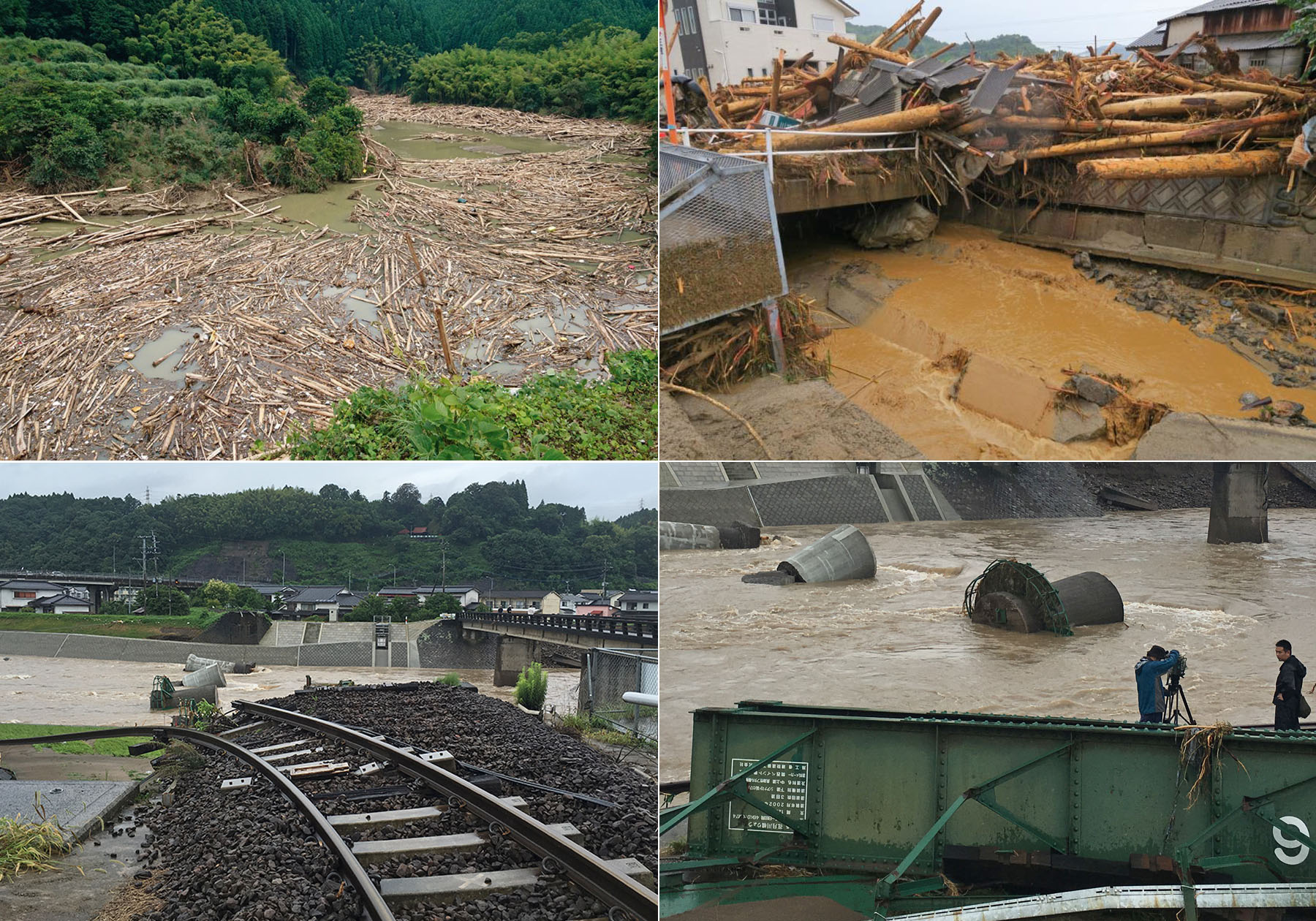
The massive mudslide in Nepal on July 26th killed many people, and the search and rescue efforts are still ongoing. The news circulating online contained such shocking images that I initially thought they were fake news. I was terrified by the footage of mudslides engulfing people as they flowed down the river. Watching that footage reminded me of the torrential rains that struck northern Kyushu on July 7, 2017. On the day of the torrential rains that hit Oita and Kumamoto prefectures, I was scheduled to go on a business trip to a factory in Hita City, Oita Prefecture, but I couldn't get there because the highways and local roads were closed. The next day, after taking a detour, I finally made it to Hita City. I still vividly remember standing there, stunned, as trees swept away bridges and railway bridges from the mountains, witnessing the extent of the damage and the situation firsthand. While the cause of disasters is the change in the global environment, I later learned that the direct cause was the neglect of forest management, which left the mountains in a state of disrepair. From that point on, our company's efforts to address environmental issues began in earnest. We need to do something, even something small, to help, otherwise things will get really bad. It's not too late to start now...
SDGs marks are becoming more common, and I used to think that using them was something only large corporations should do. However, after witnessing the devastating floods, I decided that our company should also take steps to stop doing things that are harmful to the environment. The first thing we started with was reviewing our packaging materials, switching from petroleum-derived materials to environmentally friendly ones. We changed the protective material for chairs and sofas from plastic bags to non-woven fabric, and that non-woven fabric is also made from natural materials that will return to the soil. For protective material for tables and other items, we changed from styrofoam to recycled paper, and for materials that are inevitably petroleum-derived, such as protective tape and bubble wrap, we used recycled materials. We conducted a thorough review. However, the biggest challenge was that all the factories that cooperated with us did not carry the materials, making them difficult to obtain, and the cost of materials increased, among other reasons, which slowed progress. Our company showed a strong determination to move forward, even if it meant increased costs. When persuading others, I explained that in a few years, this would be commonplace in the furniture industry. Nearly 10 years have passed since then, but the reality is that progress in the furniture industry has been slow.
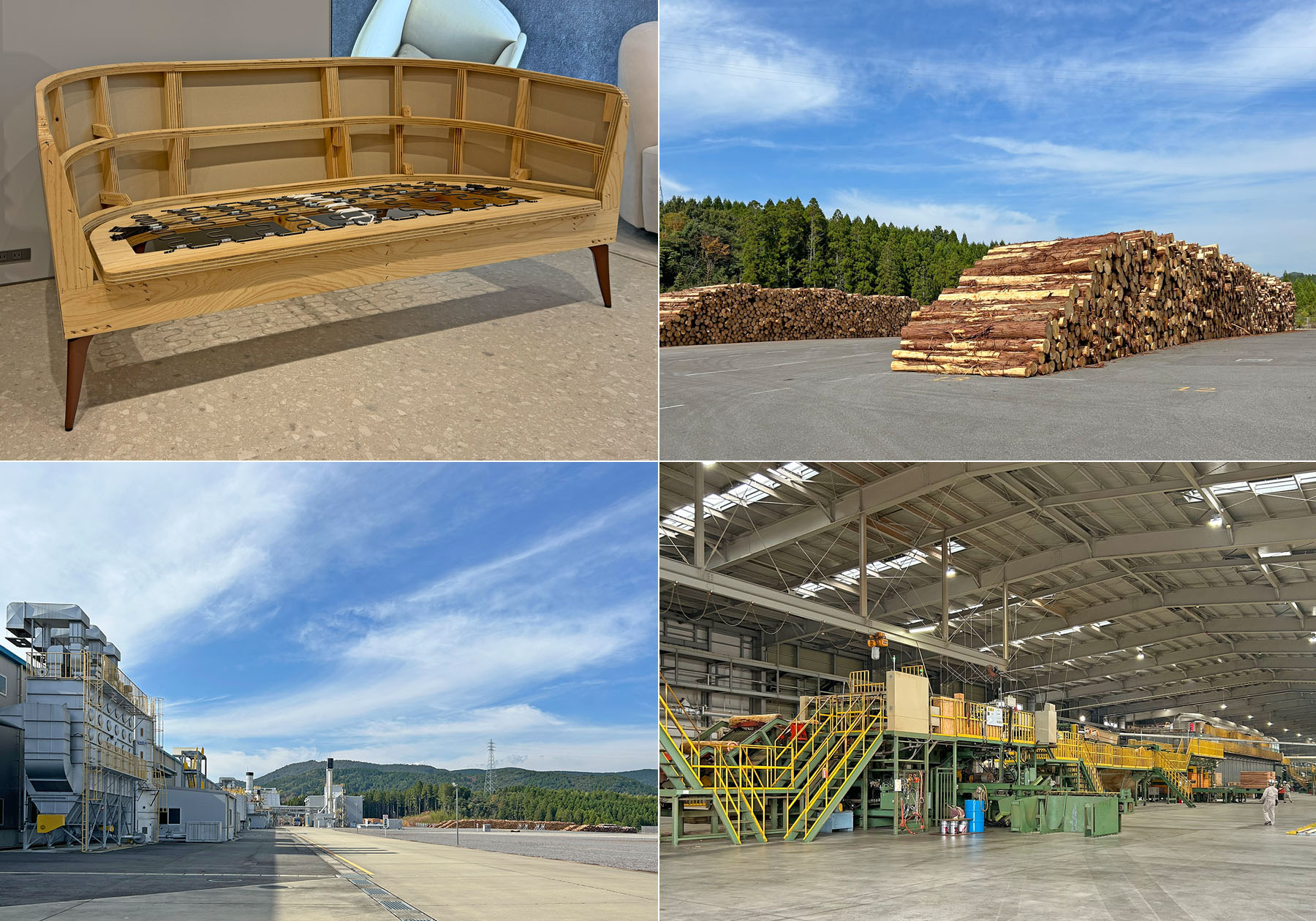
Since 2020, in order to reduce carbon dioxide emissions, we have reviewed the materials used in our furniture and worked to reduce the use of imported materials from overseas, such as tropical hardwoods. The material used to make up the frame of our sofas was previously lauan plywood, which is made from lauan wood, a type of hardwood from Southeast Asia (a general term for broad-leaved trees such as Dipterocarpaceae). This plywood is made from timber harvested in Southeast Asia, more than 4000 kilometers away, processed into plywood, shipped by sea, and then transported hundreds of kilometers from Japanese ports to furniture factories in rural areas. We decided to switch this plywood to softwood plywood produced at a plywood factory near our sofa factory in Hita City, Oita Prefecture. This plywood factory uses only cedar and cypress wood harvested within a 100-kilometer radius. It mainly uses large-diameter trees that are unsuitable for construction and can no longer absorb carbon dioxide, which are then processed into plywood. We decided to switch all of the lauan plywood used for main materials of 12 mm or more in thickness to softwood plywood produced at that factory. At that time, we also encountered a problem where factories were reluctant to use the material due to various reasons, including its difficulty in obtaining through current channels, increased costs, numerous knots, and insufficient strength. If the strength was slightly inferior to that of lauan plywood, we could maintain equivalent strength by using 24mm plywood instead of 12mm. Naturally, we were willing to accept the increased cost and pushed through with the specification change.
At that time, we didn't just review the main materials. We implemented thorough carbon neutrality measures, such as changing the thin boards covering the sofa frame to boards made from recycled paper, using more than 80% recycled ribbon dead foam for the cushioning material on top of the springs, and changing the filling of the removable cushions from poly cotton to scraps left over from the manufacturing of urethane foam. Now, the sofas we sell are products that reduce the use of new petroleum-derived materials to the absolute minimum. It may seem strange that we can become carbon neutral by cutting down coniferous trees such as cedar and cypress in forests that absorb carbon dioxide, but coniferous trees absorb carbon dioxide by converting it into a substance called cellulose. However, cedar and other trees stop absorbing carbon dioxide after more than 40 years. Therefore, planned forest management is important. In addition, by using the wood in houses and furniture instead of burning it, we are sequestering carbon dioxide. Our sofas minimize the use of imported materials and use coniferous trees grown near the factory, thereby reducing carbon dioxide emissions during import. Furthermore, by using materials that have sequestered carbon dioxide, we have achieved carbon neutrality.
Since 1985, our company has been using a build-to-order system to avoid producing unnecessary products, achieving zero waste. We have also focused on long-lasting designs and product development, avoiding discontinuation of existing products. Furthermore, we are committed to using environmentally friendly materials for both the contents and packaging. The recent situation in Iran has led to a shortage of naphtha and plastic bags, but because we use naturally derived nonwoven fabrics, we were completely unaffected. It was a moment when we felt that our continued efforts had been worthwhile. Heavy rains have continued in the Kanto region, and it has been raining for over 34 days now. I believe that we are entering an era where environmental considerations will be increasingly important. As a new initiative for our new autumn collection, we are completely redesigning the cushion materials. We are in the final stages of prototyping. We believe we can show you an environmentally friendly design and performance. Please look forward to it! (Creative Director, Noboru Seto)