Environmentally friendly manufacturing should be the norm.
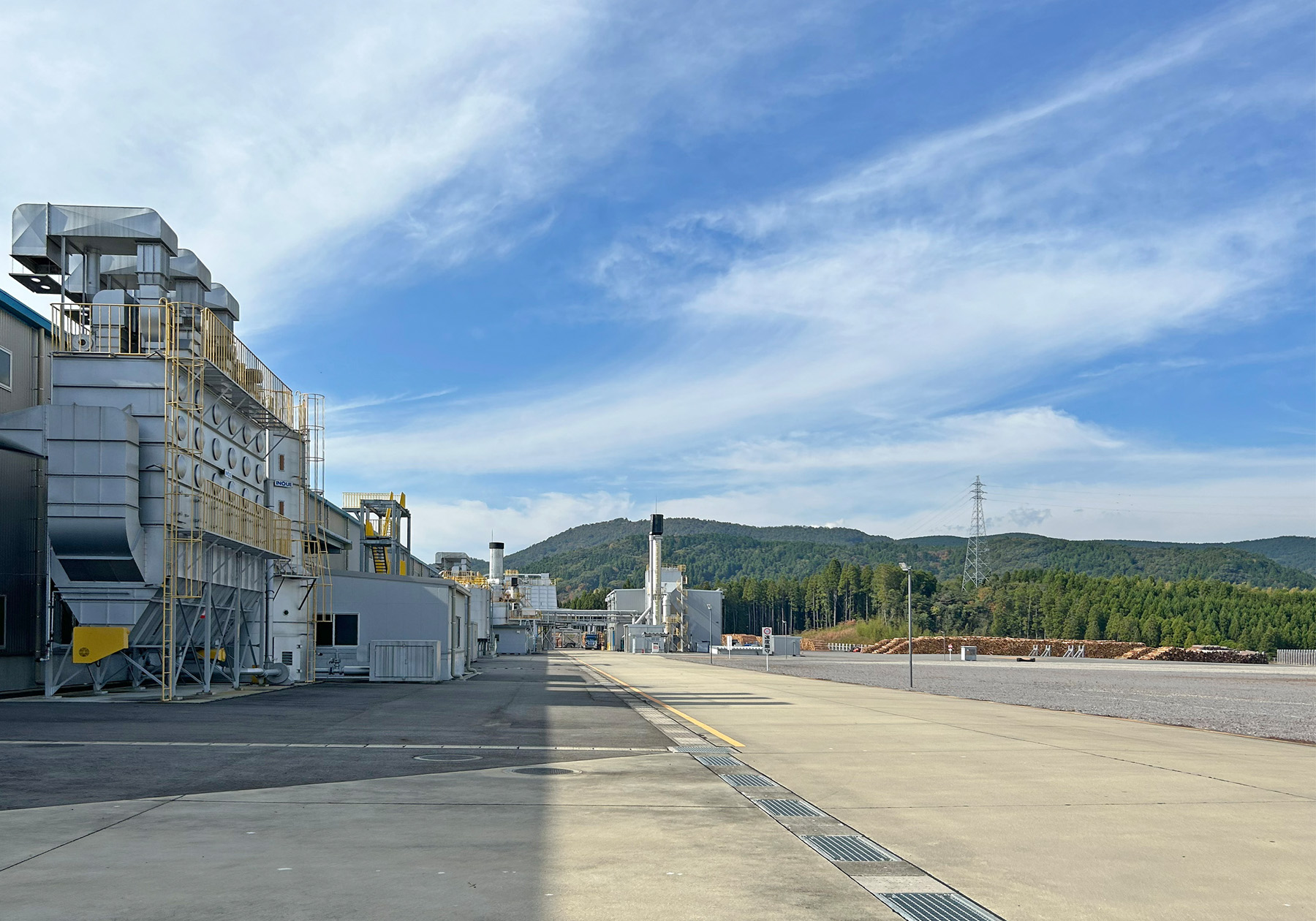
D CORE DEVISE DESIGNER COLUMN Vol.184 Many people died in the massive mudslide that occurred in Nepal on July 26th, and the search continues to this day. The news circulating online contained shocking images that at first made me think they were fake news, and I was terrified by the images of mudslides flowing down rivers and swallowing people. Watching those images, I was reminded of the heavy rains that struck northern Kyushu on July 7th, 2017. On the day of the heavy rains that hit Oita and Kumamoto prefectures, I was scheduled to go on a business trip to a factory in Hita City, Oita Prefecture, but I couldn't get there because the highways and local roads were closed. The next day, after taking a detour, I finally made it to Hita City. I still vividly remember standing there, stunned, as trees that had flowed down from the mountains swept away bridges and railway bridges, and I witnessed the extent of the damage and the situation firsthand. Disasters are caused by changes in the global environment, but I later learned that the direct cause was that forest maintenance had not kept up, and the mountains were in a state of disrepair. It was at that moment that our company's efforts to address environmental issues truly began. We felt that we had to do something, even something small, or things would get out of hand. It wasn't too late... While the SDGs mark was becoming commonplace, and I thought that using the SDGs mark was something only large corporations should do, after witnessing the devastating floods, I decided that our company should also take action to stop doing things that we felt were bad for the environment. The first thing we started with was reviewing our packaging materials, switching from petroleum-derived materials to environmentally friendly materials. We changed the protective material for chairs and sofas from plastic bags to non-woven fabric, and made sure that the non-woven fabric was also made from natural materials that would return to the soil. We also changed the protective material for tables and other items from styrofoam to recycled paper, and for materials that were inevitably petroleum-derived, such as protective tape and bubble wrap, we used recycled materials, among other thorough reviews. However, the biggest challenge was that the materials were not handled by any of the factories that cooperated with us, making them difficult to obtain, and the cost of materials also increased, among other reasons, which made progress difficult. Our company showed a strong determination to proceed, even if it meant increased costs. When persuading others, we explained that it would be commonplace in the furniture industry within a few years. Nearly 10 years have passed since then, but the reality is that progress in the furniture industry has been slow. Subsequently, from 2020, in order to reduce carbon dioxide emissions, we reviewed the materials used for the furniture itself and worked to reduce imported materials from overseas, such as tropical hardwoods. The material used to make the frame of our sofas was previously lauan plywood, which is made from lauan wood, a type of hardwood from Southeast Asia (a general term for broad-leaved trees such as Dipterocarpaceae). This plywood is made from wood felled in Southeast Asia, more than 4000 kilometers away, processed into plywood, shipped by ship, and then transported hundreds of kilometers from Japanese ports to furniture factories in rural areas. We decided to switch this plywood to softwood plywood made at a plywood factory near our sofa factory in Hita City, Oita Prefecture. That plywood factory uses only cedar and cypress wood felled within a 100-kilometer radius. The main material used is large-diameter timber that is unsuitable for construction and can no longer absorb carbon dioxide, which is then processed into plywood. We decided to switch all of the lauan plywood used for the main material of 12 mm or more in thickness to softwood plywood produced at that factory. At that time, however, we encountered problems with the factory's reluctance to use the material for various reasons, including the difficulty of obtaining the material through current channels, increased costs, the abundance of knots, and insufficient strength. If the strength is slightly inferior to lauan plywood, we can maintain equivalent strength by increasing the thickness from 12 mm plywood to 24 mm. Naturally, we were willing to accept the increased cost and pushed through with the specification change. At the same time, we did not only review the main material. We also implemented thorough carbon neutrality measures, such as changing the thin boards covering the sofa frame to boards made from recycled paper, using more than 80% recycled ribbon dead foam for the cushion material on top of the springs, and changing the filling of the removable cushions from poly cotton to scraps left over from the production of urethane foam. Today, the sofas we sell use petroleum-derived materials to the absolute minimum. It may seem strange that we can achieve carbon neutrality by cutting down coniferous trees such as cedar and cypress, which absorb carbon dioxide from forests, but coniferous trees absorb carbon dioxide by converting it into a substance called cellulose. However, cedar and other coniferous trees stop absorbing carbon dioxide after more than 40 years. Therefore, planned forest management is important. Furthermore, by using the wood in houses and furniture instead of burning it, we are sequestering carbon dioxide. Our sofas minimize the use of imported materials and use coniferous trees grown near the factory, thereby reducing carbon dioxide emissions during import. In addition, by using materials that have sequestered carbon dioxide, we achieve carbon neutrality. Since 1985, we have been using made-to-order production to avoid producing unnecessary products, achieving zero waste products, and have continued to design and produce products with longevity without discontinuing them. We also use environmentally friendly materials for the fillings and packaging of our products. The recent situation in Iran has led to a shortage of naphtha and plastic bags, but because we use naturally derived nonwoven fabrics, we were completely unaffected. It was a time when we were glad that we had continued our efforts. Heavy rains have continued in the Kanto region, and it has been raining for over 34 days now. I think we are entering an era where environmental considerations will be increasingly important. For our new products this fall, we will be completely redesigning the cushion material as a new initiative. We are in the final stages of prototyping. We believe we will be able to show you an eco-friendly design and performance. Stay tuned! (Creative Director, Noboru Seto)